













The process always begins in the same fashion. A wall gets removed while doing some renovations; a ceiling panel is lifted when carrying out maintenance activities; or a contractor realises that there is something amiss about some construction materials. Work halts. A call is made. Suddenly, an ordinary renovation project becomes an asbestos removal project.
If you have not gone through this process before, the entire procedure seems quite daunting. What follows now is an account of the entire procedure starting from the first discovery until the clearance of the premises.
1. Stage One: The Discovery
Most commercial asbestos projects don’t begin with a plan. They begin with a surprise, usually during renovation, demolition, maintenance, or a fit-out in a building constructed before the 1990s.
The most important thing at this stage is simple: stop work in the affected area. Disturbing suspected asbestos further is what creates genuine risk, and the safest response is always to pause, restrict access to the area, and bring in qualified asbestos removal contractors to assess what’s there.
2. Stage Two: Assessment and Identification
Suspected asbestos isn’t confirmed asbestos. A licensed assessor will inspect the material, take samples where appropriate, and have them analysed to determine exactly what’s present and in what condition.
This stage answers several questions that shape everything that follows:
- Is asbestos present, and if so, what type?
- Is it friable or non-friable, which significantly affects how removal must be handled
- What condition is it in, since damaged material presents different risks to intact material
- How much is there, and is it isolated or more widespread through the building?
Getting a clear, accurate picture here is what allows everything downstream to be planned properly rather than reactively.
3. Stage Three: Planning the Removal
Once the material is identified, a detailed removal plan gets developed. This is where genuinely good commercial asbestos removal services distinguish themselves, because a commercial building brings complications a residential property rarely does.
A proper plan covers:
- Containment approach, isolating the work area so fibres can’t spread through the building
- Scheduling, often staged or scheduled out-of-hours to keep the rest of the business operating
- Access management, restricting entry while keeping unaffected areas usable
- Communication, making sure tenants, staff, and stakeholders know what’s happening and when
- Safety procedures, covering everything from PPE to decontamination and waste handling
4. Stage Four: Controlled Removal
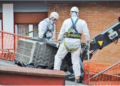
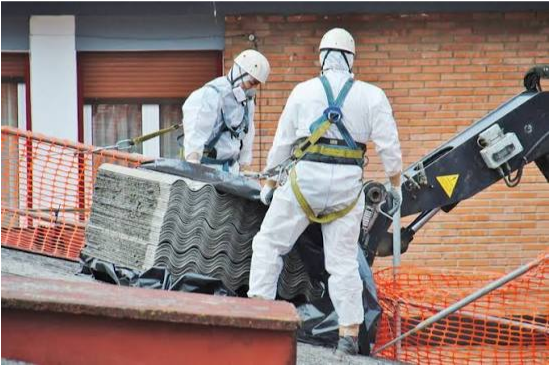
With the plan in place, removal begins. The work area is sealed and controlled, specialist equipment is used to manage fibre release, and trained removalists work through the material following strict procedures throughout.
For commercial properties, this stage often runs alongside continued business operations elsewhere in the building, which is exactly why the planning stage matters so much. Well-managed removal in an occupied commercial building should be largely invisible to anyone working outside the contained sone.
5. Stage Five: Disposal
Removed asbestos material is sealed, transported, and disposed of at a licensed facility, with documentation tracking the waste from the site through to disposal. This paper trail matters more than it might initially seem, forming part of the compliance record a property owner may need to produce later.
6. Stage Six: Clearance and Handover
The final stage is clearance. Air monitoring confirms fibre levels are within safe limits, a visual inspection verifies the area has been properly cleaned, and a clearance certificate is issued.
Only at this point is the area formally safe to return to normal use. That certificate becomes a permanent part of the building’s records, valuable for future audits, insurance matters, and property transactions down the track.
7. What Makes the Journey Smoother
A few things consistently separate a smooth asbestos project from a stressful one:
- Stopping work immediately when something suspicious is found, rather than pushing through
- Bringing in licensed asbestos removal contractors early, instead of trying to assess the situation internally
- Clear communication with staff and tenants throughout, reducing uncertainty and speculation
- Choosing a contractor experienced with commercial sites specifically, since occupied buildings demand a different approach to empty residential ones
- Keeping all documentation, since clearance certificates and disposal records genuinely matter later
8. The Bigger Picture
An unexpected asbestos discovery is disruptive, but it’s also entirely manageable when handled properly. The journey from that first uncertain moment through to a cleared, certified site follows a well-established path, and providers of commercial asbestos removal services who work in occupied buildings regularly know exactly how to move a business through it with minimal disruption.
The key is simply getting the right people involved early and letting a proper process do its work.