













Getting Paint Protection Film for a new car can feel like a straightforward decision. You choose a film, pay for the installation and drive away with the paint protected. But there is one document that deserves more attention than it usually gets: the PPF warranty card.
Many car owners look at the warranty period and assume that a longer number automatically means better protection. It doesn’t always work that way. The actual terms, exclusions and conditions can be more important than the headline duration.
What Is a PPF Warranty Card?
The PPF warranty card is in essence a document that reflects the warranty offered either by the film producer or an authorized installer. Such a card could include information regarding the film itself, the installation process, duration of the warranty, and the conditions upon which claims can be filed.
Depending on the brand, the warranty could extend to such problems as early yellowing, cracking, peeling, bubbling, or some types of adhesive failures.
The precise warranty will vary, however, since a warranty does not imply that any kind of damage would be remedied for free.
Check Who Actually Provides the Warranty
One detail that is easy to overlook is the difference between a manufacturer warranty and an installer warranty.
The film manufacturer may provide coverage for defects in the material, while the installer may have separate responsibility for installation-related problems.
For example, if an edge begins lifting because of poor application, the installer may need to address it. If the film develops a manufacturing defect, the manufacturer’s warranty could apply instead.
Ask the installer to explain this distinction clearly. Ideally, the paperwork should identify the film and installation provider rather than leaving you with only a verbal assurance.
Look Beyond the Number of Years
A warranty period of five years or ten years does sound good, but it doesn’t give you much information on its own.
Look at the terms of coverage during that period of time. It might cover only certain problems, but exclude things like damages resulting from accidents or misuse of the appliance or inappropriate cleaning.
Conditions for keeping your warranty valid can also be different.
For example, there might be a recommended list of cleaning materials or methods. The use of an unsuitable material might impact your claim.
An appropriate installation company would inform you about all the conditions instead of just giving the warranty card.
What Should You Look for on the Card?
Before approving the installation, check whether the documentation records useful details such as the film name, installation date and vehicle information.
It is also worth confirming the exact areas covered. If you’ve paid for front-end PPF rather than full-body coverage, the warranty should correspond to that installation.
Keep your invoice and installation paperwork along with the PPF warranty card. They may be required if you need assistance later.
Taking a few photographs immediately after installation can also be useful. They provide a simple record of how the film looked when the vehicle was handed over.
Warranty and Car Wrapping Cost Are Not the Same Thing
When comparing car wrapping cost with PPF pricing, it can be tempting to focus entirely on the initial quotation.
That’s understandable, but it doesn’t give you the complete picture.
A cheaper installation may use a different grade of material, offer shorter warranty support or provide less extensive coverage. On the other hand, a higher price doesn’t automatically guarantee better results either.
The useful comparison is between what each package actually includes.
Ask about the film’s specifications, warranty duration, coverage, preparation work, installation method and after-sales support. Only then does the quoted price become meaningful.
Does a Warranty Cover Accidental Damage?
Usually, you should not assume that it does.
If a stone causes a deep tear in the film or an accident damages a protected panel, the replacement may not fall under the standard manufacturer’s warranty.
Warranties generally deal with product or installation defects rather than ordinary damage caused by driving.
This distinction matters because PPF is designed to be a sacrificial layer. Its job is to take damage that might otherwise reach the paint. If the film does its job and gets damaged in the process, that doesn’t necessarily mean there was a warranty failure.
Why Installation Quality Matters
A warranty cannot compensate for poor workmanship.
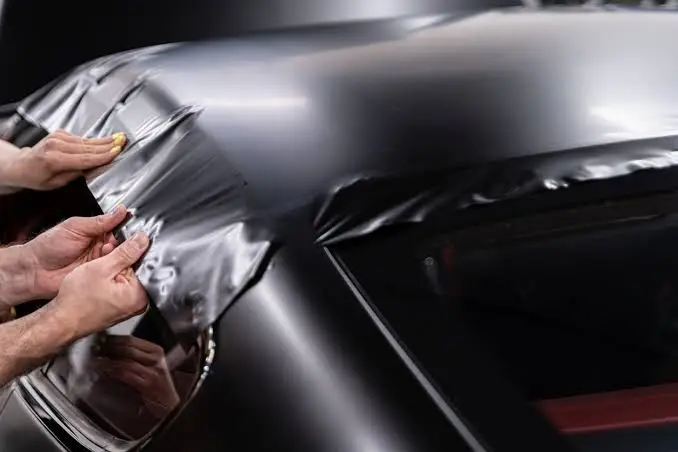
Even a high-quality film can develop problems if the surface wasn’t properly prepared or the material was stretched incorrectly during installation. Dust trapped underneath, badly finished edges and contamination around seams can affect the final appearance.
Before choosing an installer, look at completed vehicles rather than relying solely on photographs supplied by the business. Pay attention to corners, panel edges and areas around handles or mirrors.
Conclusion
A PPF warranty card isn’t just paperwork to put in the glovebox and forget about. It tells you what the manufacturer and installer are actually promising and, just as importantly, what they aren’t promising.
The same approach should be used when comparing car wrapping cost or any other paint-protection option. Don’t judge a package by its headline price alone.
Look at the film, installation quality, coverage, warranty terms and after-sales support together. When those details are clear before the work begins, protecting your car becomes a much more informed investment rather than a decision based on a sales pitch.