





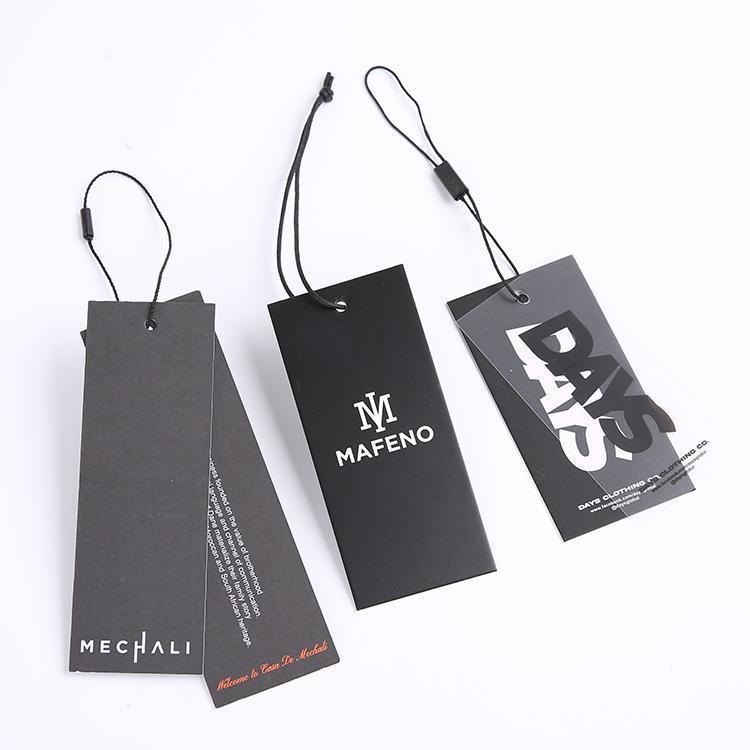
Custom Clothing Tags actually give a first impression to any garment. An effective tag conveys brand identity immediately and gives the necessary impression of a professional look that indicates the quality of the product. Designers and retailers are finding tags to be more than a tool to present information; it is some kind of a marketing weapon, albeit a subtly built brand-reinforcer, with each dialogue with the customer. The perception of quality and professionalism is contributed to by the choice of the material, finish, and texture.
Every aspect of a Custom Clothing Tag can be customized to promote the overall style of the garment. The labels produced using durable cardboard, soft surfaces, or other hardy fabrics provide a quality feel that matches the identity of the clothes line. Embossing, foiling, or spot UV are all forms of printing that can transform a plain tag into a memorable branding tool. The mixture of the shape, the size, and the material makes sure that the tag itself will feel purposeful, which will positively impact the entire experience of the customer and strengthen the confidence towards the brand.
Branding Benefits
Custom Clothing Tags are important to brand differentiation. Brands develop a distinctive image that is easily identifiable to the customer by incorporating a logo, exclusive typography, or color scheme. These tags turn regular clothes into experiences with brands, which offers continuity to collections and stores. They also favour narration, where brands are able to communicate their values, product origin, or care instructions in a way that is visually attractive.
In addition to the aesthetic consideration, Custom Clothing Tags with Logo can be used to build credibility and professionalism. When the tags are always indicative of similar design principles in other brand touchpoints, the customers see added value and authenticity. Those businesses that invest in properly designed tags will be able to use them to make their brands more loyal, to promote repeat purchases, and boost the overall market presence of their line of clothing.
Material Choices
Effective Custom Clothing Tags depend on the choice of the material. It can be kraft, coated paper, laminated finishes, and specialty synthetics, with each having a unique appearance and a level of strength. The material used impacts not only the tactile nature of the tag but also its durability throughout shipping, display, usage, etc. The knowledge of how the type of fabric and tag material will interact provides the durability as well as a presentable look.
Printed Clothing Tags need to be crafted in such a way that they can withstand manipulation without being disadvantageous in terms of beauty. Durable materials retain the shape and quality of printing throughout the time period so that the branding is not lost. New textures or finishes enhance the design, but produce a slightly high-end look without being overwhelming to the garment. The meticulousness in the choice of the materials will improve the recognition of customers and add to the overall image of the brand as a professional one.
Display Options
Personalized Hang Tags Display methods determine consumer behavior with merchandise in stores. Garments can be hung with tags, folded up, and looped designs, which provide the garments with a way to display themselves in an orderly manner, at the same time offering some visibility of the branding elements. Considerate presentation techniques help to make products appealing, to engage customer interactions, andt get customers shopping in the stores.
Presentation influences sales and perception of a brand. Easy to handle and visible tags keep clothes in the racks or shelves in a professional appearance. Retailers have a tendency to combine visual attractiveness with working placement, making sure that key details, like size, care details, price, etc., are available. Placing a strategic display adds value and leads to a unified shopping experience.
Order Flexibility
Companies regularly need flexible solutions, and Custom Clothing Tags No Minimum meets the production needs in different ways. The fact that small businesses and startups can place small orders is an advantage since they can test designs or seasonal changes without threatening to order in large quantities. Such malleability lowers initial expenditure in favor of innovation in product display.
Some large-scale retailers have customizable order sizes. The possibility to tailor the production based on the demand can help to ensure that tags are the same regardless of changes in collections or places. The flexibility of the ordering enables the brands to achieve quality and consistency without excessive stocking and offers financial and operational efficiency in their operations.
Personalization Options
Customizing clothing tags also gives exclusivity, which makes the customer experience elevated. Elevated designs, individualized, be it logos, monograms, or personal messages, generate a feeling of ownership and relationship to the brand. Greater attention to detail is also expressed through personalization, which sends the message that the brand cares about quality in all areas of the product.
Personalized Clothing Tags may be appointed with the limited or seasonal collections to enhance attractiveness. Special designs on tags make products different in competitive markets, providing an added value of a collector or a loyal customer. Well-considered personalized tags add value to a brand and make every article of clothing seem valuable when done in a careful and attentive manner.
Global Sourcing
Custom Clothing Tags Canada and the global suppliers offer the availability of good-quality materials and manufacturing methods. Reliable manufacturers of tags are sourced, and this is to ensure the tags are designed to professional standards, but they have a range of designs and finish options. The turnaround time is usually shorter when dealing with regional suppliers, and thus brands can react swiftly to market needs.
The use of wholesale is also a contributor to cost efficiency. By ordering Custom Clothing Tags Wholesale, the brands will be able to preserve the same quality and keep costs under control with ease. With strategic sourcing, the tags will represent the brand image that the company wants, irrespective of the size of the order or where it is produced, and this enables the companies to compete with each other in the local and global markets.
Conclusion
Custom Clothing Tags are an important component in the presentation of garments and strengthen the brand, professionalism, and consumer perception. The combination of strategic construction, choice of materials, and personalization makes tags more than simple labels and shapes them into a brand storytelling and customer interaction. Adaptable ordering, global sourcing, and considerate displays give the brands the means to ensure uniformity and quality in collections. The cost of having well-designed tags is a guarantee that the garments will be memorable, which will help the brand and the loyalty of the customers.